
The Phonics and Reading Files serves as a simple guide for early literacy. Everything here is created to help you teach calmly and steadily. You will see:
- Files that teach letter sounds and short vowel words.
- Reading practice sheets for blending and decoding.
- Fill-in-the-vowel tasks to help kids master sound recognition.
- CVC word files that support early reading fluency.
- Short guides and posts that offer tips for helping a child read with confidence.
You can explore the categories below and choose the file that fits your learner today. Each one is made to support slow, steady, and meaningful reading growth.
Every child learns to read in their own time, and that is completely okay. Reading grows in small steps one letter, one sound, one word at a time. As a teacher and a mom, I’ve seen how a single success can lift a child’s confidence. Sometimes that win is as simple as hearing them read a new word on their own. Moments like these remind us that gentle support can make reading feel safe and achievable.
This file is here to guide you through those steps. The Phonics and Reading area offers simple files that help you teach sounds, blending, word work, and early fluency. You can use these files in the classroom or at home with your child. Each one is designed to keep learning clear and manageable, even when the day feels a little challenging. The aim is to build reading in a steady way, without pressure, so your learner can grow with confidence.
Reading develops well through repetition and small daily practice. Kids respond best when lessons are short, visual, and easy to understand. Every file in this section was made with that idea in mind. You’ll find tasks that help children read gently, with enough structure to guide them but not so much that they feel overwhelmed. Your learner can take it one file at a time and make progress that feels real and encouraging.
Why Phonics?
Phonics is one of the strongest foundations for early reading. Children learn to hear sounds, connect them to letters, and build words on their own. When kids understand how sounds work, reading becomes less of a guessing game and more of a natural process.
Phonics also helps kids read without fear. When they know how to break a word apart, they stop feeling stuck when they see something new. They learn to try, sound it out, and discover the word themselves. These worksheets help you support that exact skill. They are simple, visual, and friendly for early learners who need clear direction.
Here are examples of the types of activities you’ll find in this file:
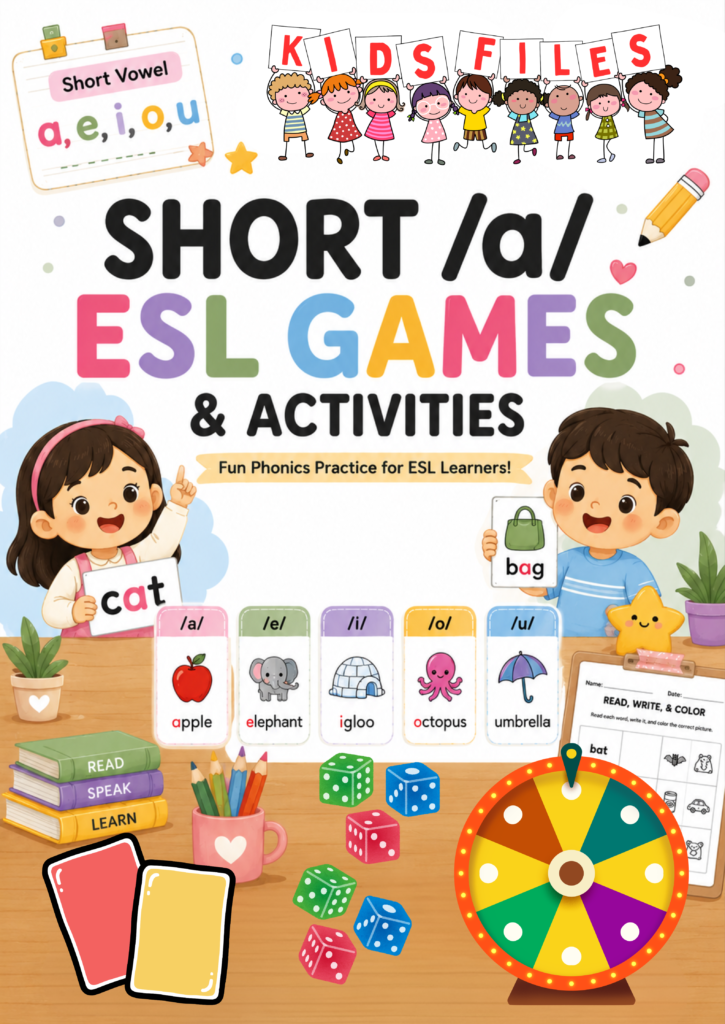
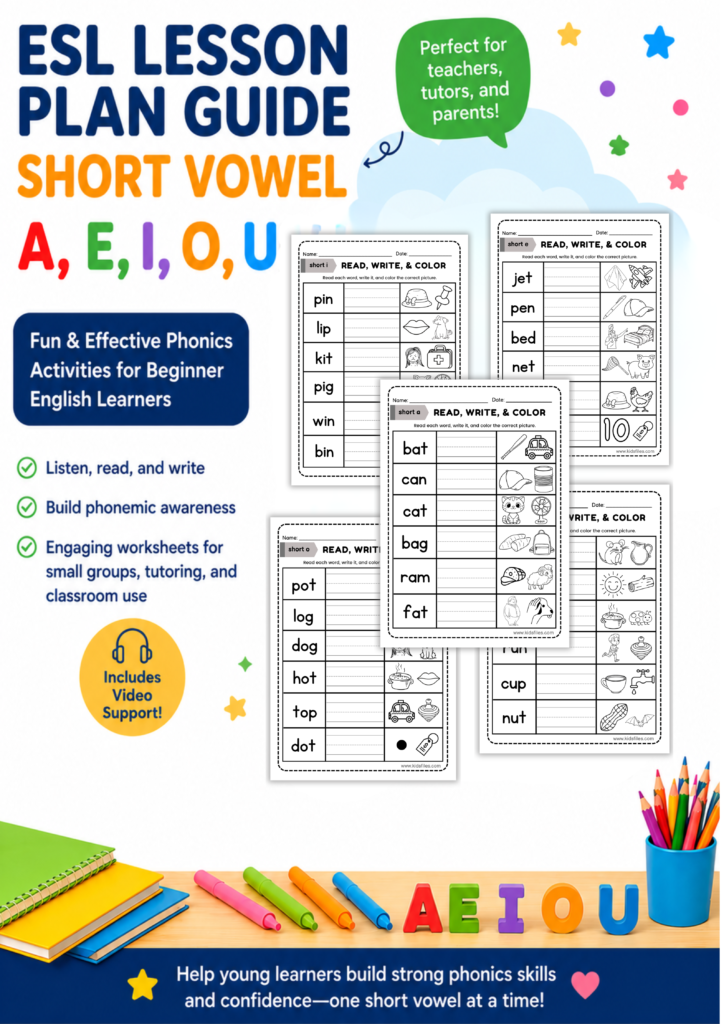
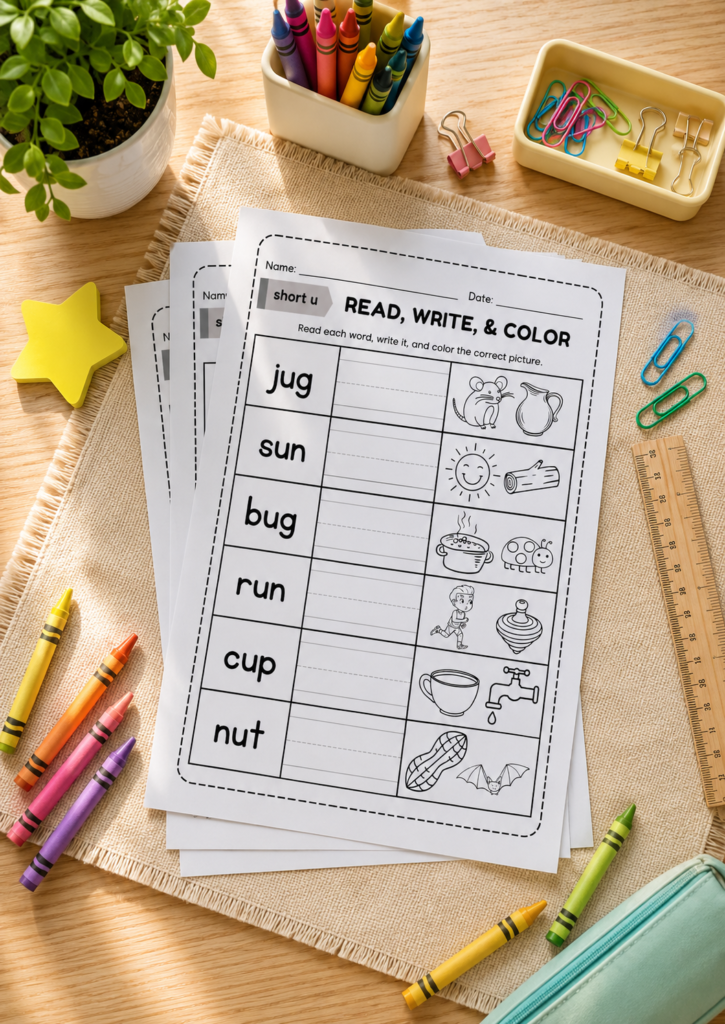
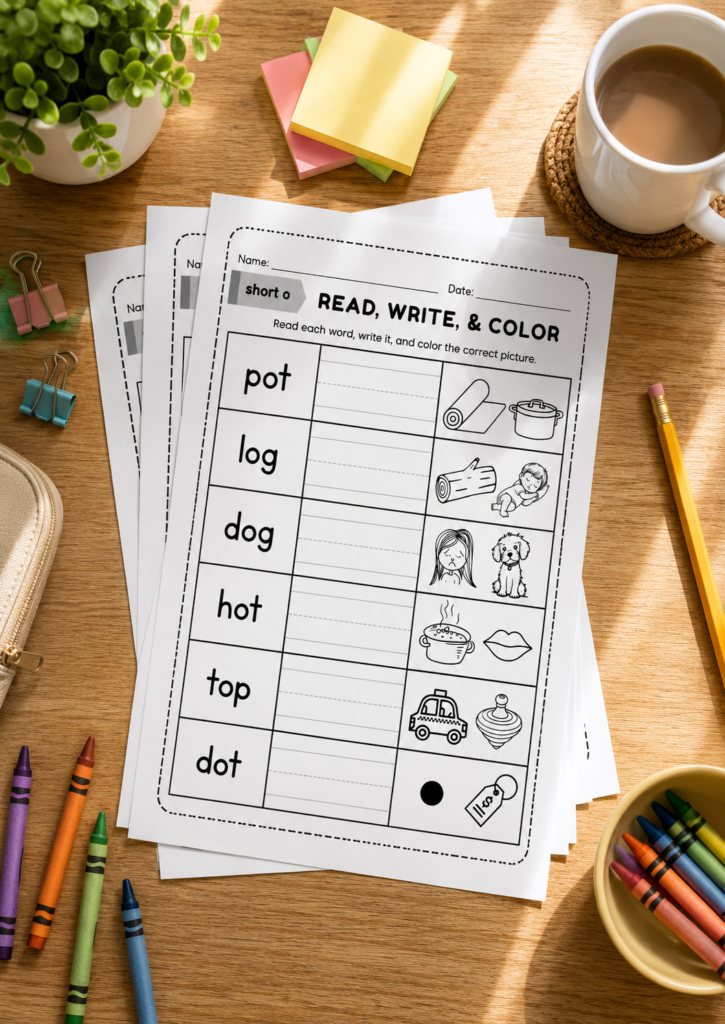
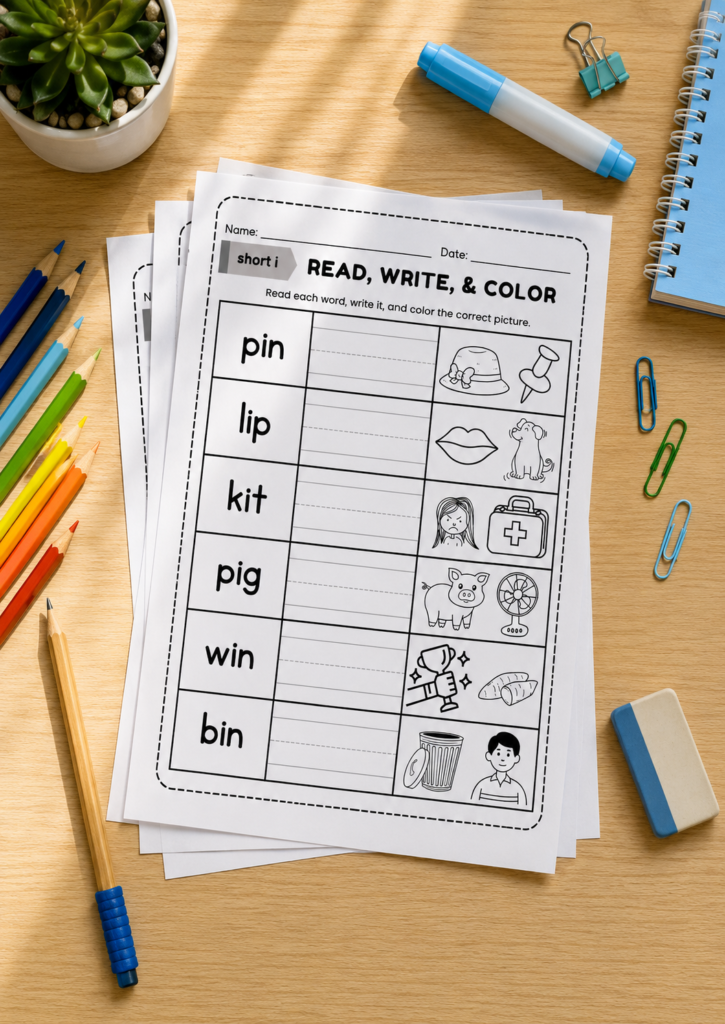
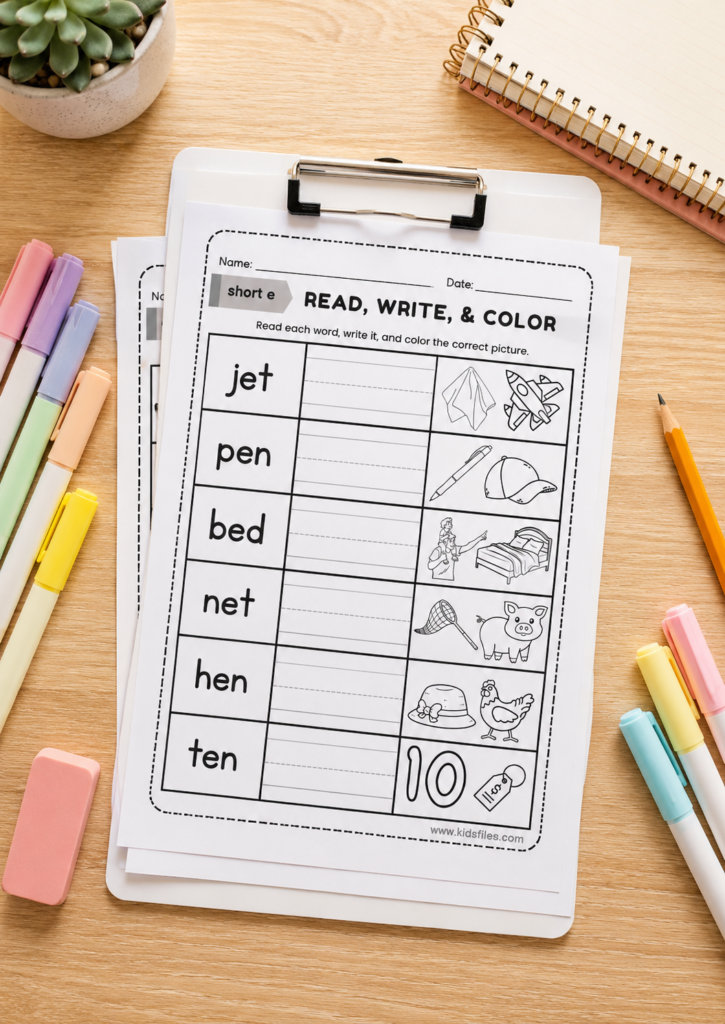
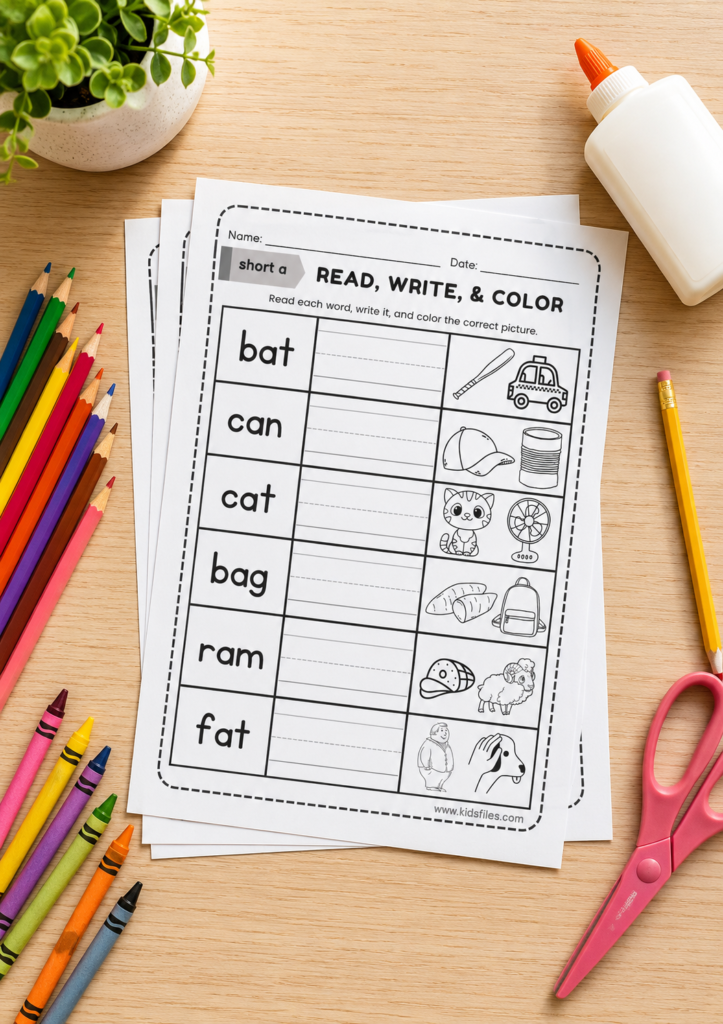
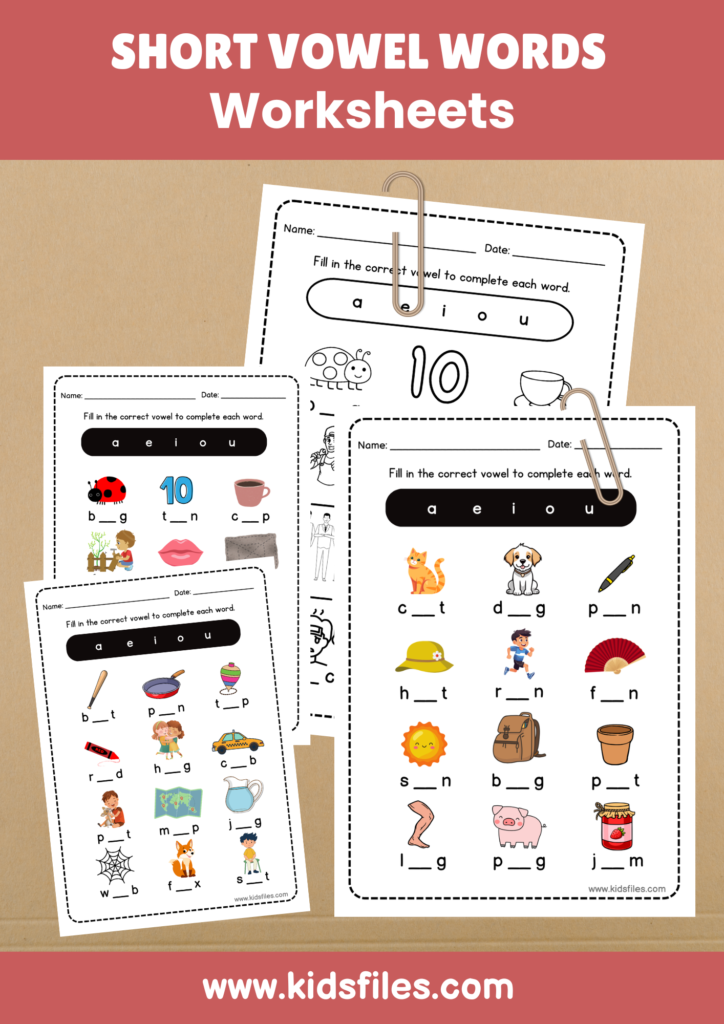
You can follow a slow and steady routine when using these materials with your learner. Start with a short lesson on the sound of the day. Show the child the letter, say the sound together, and point to examples around you. After that, you can hand them a worksheet that matches the lesson. Most tasks take only a few minutes and are easy to finish.
Children learn best when they feel supported, not rushed. Allow them time to work through each task. Praise the small wins and keep the environment calm. A steady routine helps reading skills grow one day at a time.
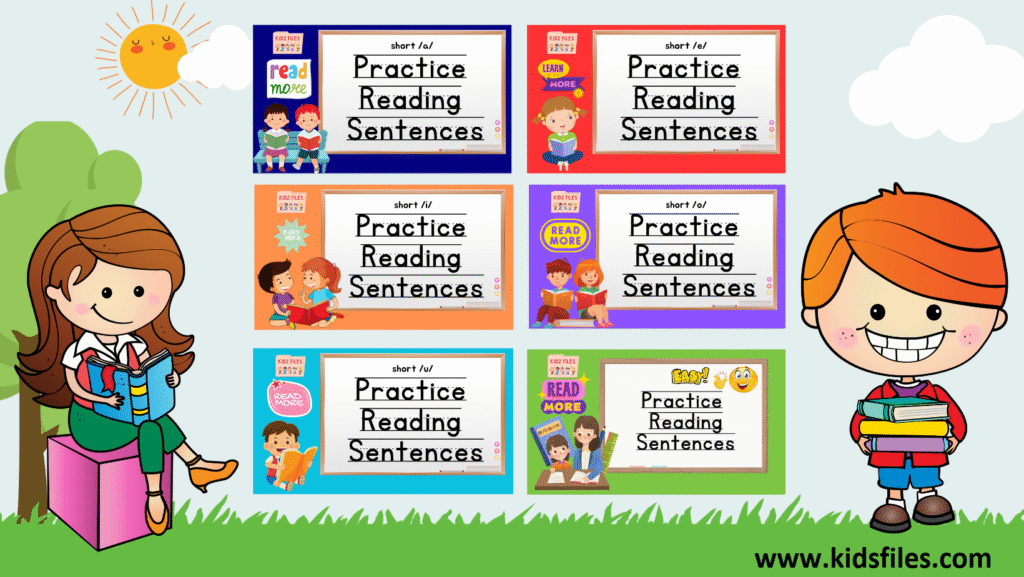
Some children learn better when they see the lesson in action. Our YouTube channel includes short videos and simple presentation style lessons that support phonics and early reading. Kids can watch at their own pace and follow along with the sounds, words, and examples. These videos work well for warm-ups, quiet learning moments, or when you want a visual guide that matches the worksheets.
Watch and subscribe to our YouTube channel for more phonics and reading lessons.
Phonics takes patience, but it also brings some of the most rewarding moments in early learning. Each sound a child learns becomes a building block for future reading. With steady practice and simple materials, progress becomes easier to see. I hope these files help you find the tools you need to guide your learners with confidence and kindness. Reading grows slowly, but it grows well when it is supported with care.
Happy Teaching,
>>The Kids Files Team 🗂️😊