Before children can read sentences and stories confidently, they need to understand how letters and sounds work together to form words. Short vowels are often introduced first because they appear in many simple and commonly used words. Among these vowel sounds, the short /a/ sound is one of the easiest and most useful for beginning readers to learn.
The short /a/ sound can be heard in words such as cat, bat, hat, bag, and jam. These simple consonant-vowel-consonant (CVC) words help children practice blending sounds together. As learners become familiar with the short /a/ sound, they begin to recognize word patterns, improve pronunciation, and build confidence in reading. This foundation prepares them for more advanced phonics skills in the future.
For English language learners (ESL), learning short vowel sounds is especially important. Many students who are learning English as a second language need extra practice hearing and distinguishing vowel sounds that may not exist in their native language. Focused short vowel activities help learners develop listening skills, pronunciation accuracy, and early reading fluency. Repeated exposure to the same sound in different words makes learning easier and more effective.
These free printable short /a/ vowel worksheets are designed to provide meaningful practice in a simple and engaging way. Each activity focuses on helping children hear, recognize, read, write, and use the short /a/ sound. The worksheets include a variety of exercises such as tracing, matching, reading, writing, and coloring activities that support different learning styles. Children can practice independently, with a parent, or as part of a classroom lesson.
One of the reasons short vowel practice is so effective is that it allows learners to focus on one sound at a time. Instead of introducing many phonics concepts at once, children can build confidence through small, manageable steps. This focused approach reduces confusion and encourages success. When learners experience success early, they become more motivated to continue reading and learning.
Whether you are a teacher, homeschool parent, tutor, or ESL instructor, these short /a/ worksheets can be used as part of your daily phonics instruction. They work well for preschool, kindergarten, first grade, and beginning English learners. Use them during literacy centers, small group lessons, homework practice, or reading interventions.
Strong reading skills begin with strong phonics foundations. By helping children master the short /a/ sound, you are giving them an important tool that will support future reading success. These worksheets are designed to make learning enjoyable, effective, and accessible for every young learner.
What is the short /a/ sound?
The short /a/ sound is one of the first vowel sounds children learn in phonics. It makes the sound heard in words like cat, bat, bag, can, map, and hat. This sound is usually represented by the letter a and is found in many simple three-letter words. Because these words are short and easy to read, they are often used when children begin learning to blend sounds together.
Learning the short /a/ sound helps children understand that letters represent sounds. As they hear the sound and see it in words, they begin to recognize patterns and read with more confidence. Many early reading books and phonics activities include short /a/ words because they are common and easy for young learners to practice. Reading simple words like cat and hat also helps children prepare for longer words later on.
Short /a/ activities are usually introduced to preschool and kindergarten children, but they are also helpful for Grade 1 students who need extra phonics practice. Children between the ages of 4 and 7 can benefit from repeated practice with short /a/ words. With simple activities and regular review, young learners can build strong reading foundations and become more confident as they begin their reading journey.
Why is the short /a/ sound important?
Short vowel sounds are an important part of early phonics instruction, and the short /a/ sound is often one of the first vowel sounds that children learn. Worksheets that focus on the short /a/ sound provide structured practice that helps young learners build essential reading skills step by step. These activities support phonemic awareness, letter-sound correspondence, CVC reading skills, vocabulary development, and reading confidence.
Phonemic Awareness
Phonemic awareness is the ability to hear and identify individual sounds in spoken words. It is one of the most important early reading skills because children must be able to recognize sounds before they can connect them to letters. Short /a/ worksheets help children listen for the /a/ sound in words such as cat, hat, bag, and jam. Through repeated exposure and practice, learners become more aware of how sounds work within words, making it easier to decode new words in the future.
Letter-Sound Correspondence
Letter-sound correspondence refers to understanding that letters represent specific sounds. When children practice short /a/ activities, they learn that the letter “a” can make the /a/ sound found in many common words. Tracing, reading, matching, and writing activities reinforce this connection. As learners repeatedly see and hear the letter and sound together, they develop a stronger understanding of how written language works.
CVC Reading Skills
Many beginner readers start with simple consonant-vowel-consonant (CVC) words. Words such as cat, bat, can, hat, and ram follow predictable patterns that make them ideal for phonics instruction. Short /a/ worksheets give children opportunities to practice blending sounds together to read complete words. This skill helps learners move from recognizing individual letters to reading actual words independently.
Vocabulary Building
Short /a/ worksheets also support vocabulary development. As children read and practice new words, they expand their understanding of language and word meanings. Picture supported activities help learners connect vocabulary words with real objects and concepts. This is especially beneficial for English language learners who are building both reading skills and English vocabulary at the same time.
Reading Confidence
Perhaps one of the greatest benefits of short /a/ worksheets is the confidence they help build. When children successfully read words, complete activities, and recognize familiar patterns, they begin to see themselves as capable readers. Small successes encourage motivation and a positive attitude toward learning. As confidence grows, children become more willing to tackle new words, participate in reading activities, and continue developing their literacy skills.
Strong reading skills begin with a strong phonics foundation. By practicing the short /a/ sound regularly, children develop the essential skills needed for future reading success. These worksheets provide a simple and effective way to support early learners as they take important first steps toward becoming confident readers.
Fun ways to teach the short /a/ sound
Teaching the short /a/ sound does not have to be difficult. Young children learn best through simple and enjoyable activities that allow them to hear, say, read, and use words many times. Fun and repeated practice helps children remember sounds and become more confident readers. Here are some easy ways to practice the short /a/ sound at home or in the classroom.
Use Flashcards and Picture Cards
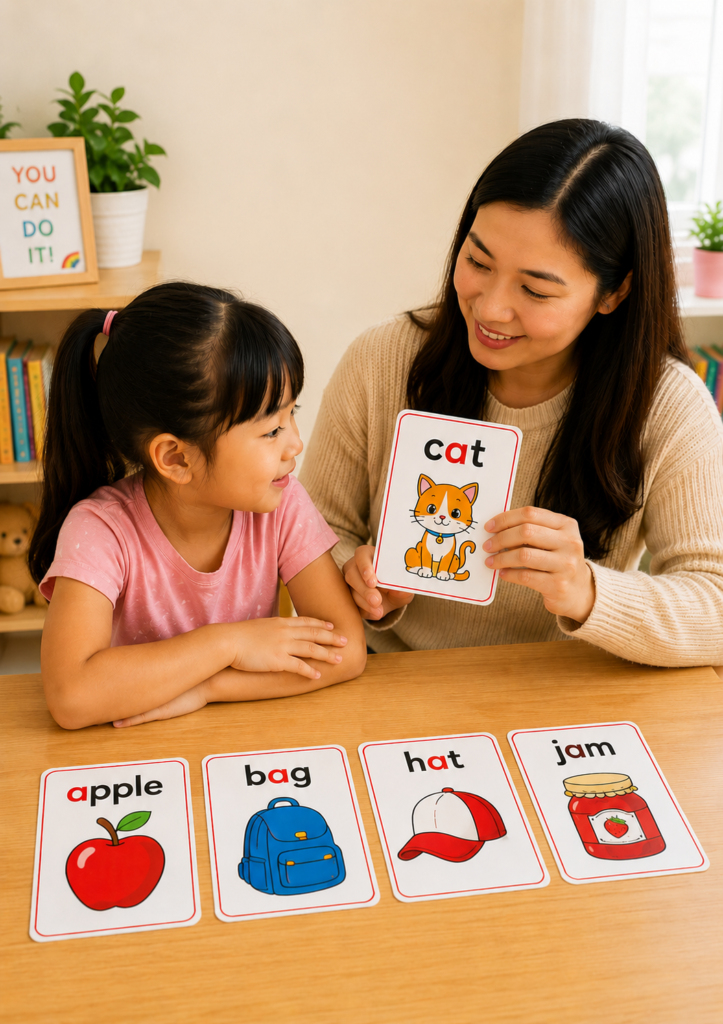
Flashcards are a great way to introduce short /a/ words. Show pictures and words such as apple, cat, bag, hat, and jam. Say each word clearly and encourage children to repeat it. Picture cards help children connect sounds with meaning and improve word recognition.
Play Matching Games
Matching games make phonics practice more exciting. Children can match words to pictures or find two cards with the same short /a/ sound. These simple games help strengthen memory and build reading skills while keeping learners engaged.
Try Read and Color Activities
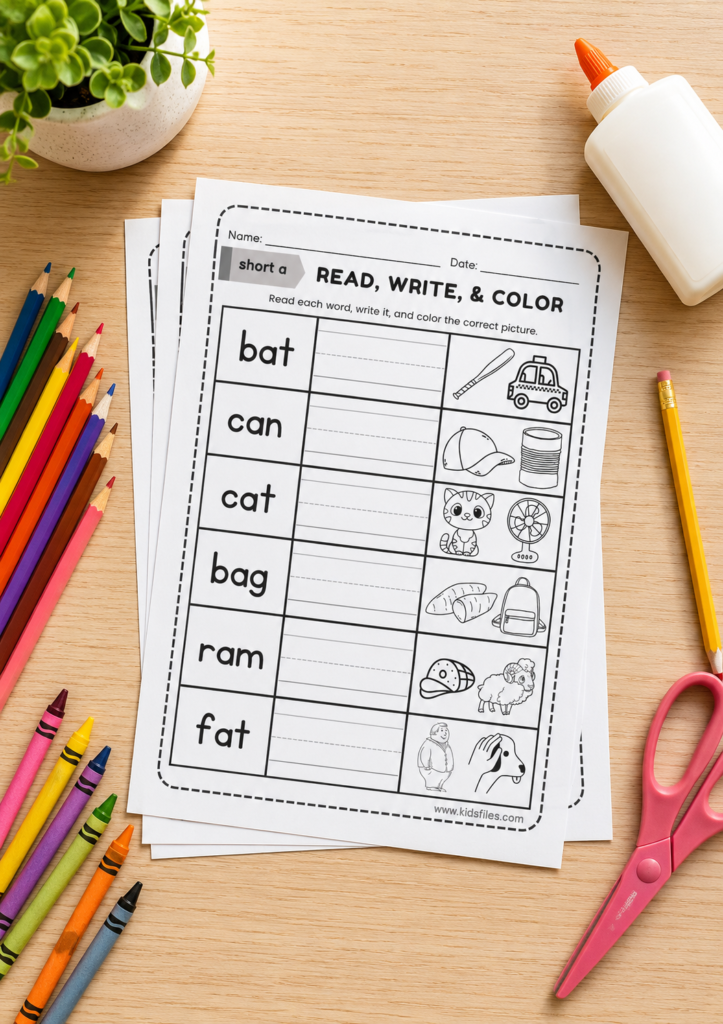
Read and color worksheets give children a chance to practice reading while having fun. After reading a word, children color the matching picture. This activity helps improve comprehension, fine motor skills, and vocabulary.
Sing Songs and Nursery Rhymes
Songs and rhymes help children remember sounds more easily. Repeating words with the short /a/ sound allows learners to hear patterns and practice pronunciation. Phonics songs and videos are also useful for review.
Read Simple Books Together
Story time is another great way to practice phonics. Choose books that contain short /a/ words and pause to point out familiar words. Reading together helps children improve listening skills and develop reading confidence.
Use Hands-On Activities
Hands-on learning keeps children active and interested. Use letter tiles, magnetic letters, toy objects, or printable worksheets to build and read short /a/ words. Children often remember sounds better when they can touch, move, and interact with materials.
Regular practice and encouragement help children master the short /a/ sound. Small and enjoyable activities each day can build strong phonics skills and support future reading success.
How to use the short /a/ vowel worksheets
These worksheets are flexible and easy to use. You do not need special tools or long prep time. A pencil and crayons are enough. Start by saying the short /a/ sound out loud. Say it slowly and clearly. Let the child repeat the sound a few times. Keep it short and relaxed. Introduce one worksheet at a time. Avoid giving many pages at once. Young learners focus better when tasks feel small and doable.
For tracing activities, guide the child to trace carefully. Encourage slow writing instead of speed. This helps build muscle memory for letter formation. For read and write pages, read each word together first. Point to each letter as you say the sounds. Blend the sounds slowly before reading the word.
Coloring activities should come last. Coloring helps children relax and finish the task with confidence. It also keeps them engaged without adding pressure. You can repeat the same worksheet on different days. Repetition helps learning stick. Children often feel proud when they recognize words they have seen before.
These short /a/ vowel worksheets focus on one sound only. This helps reduce confusion and supports clear learning.
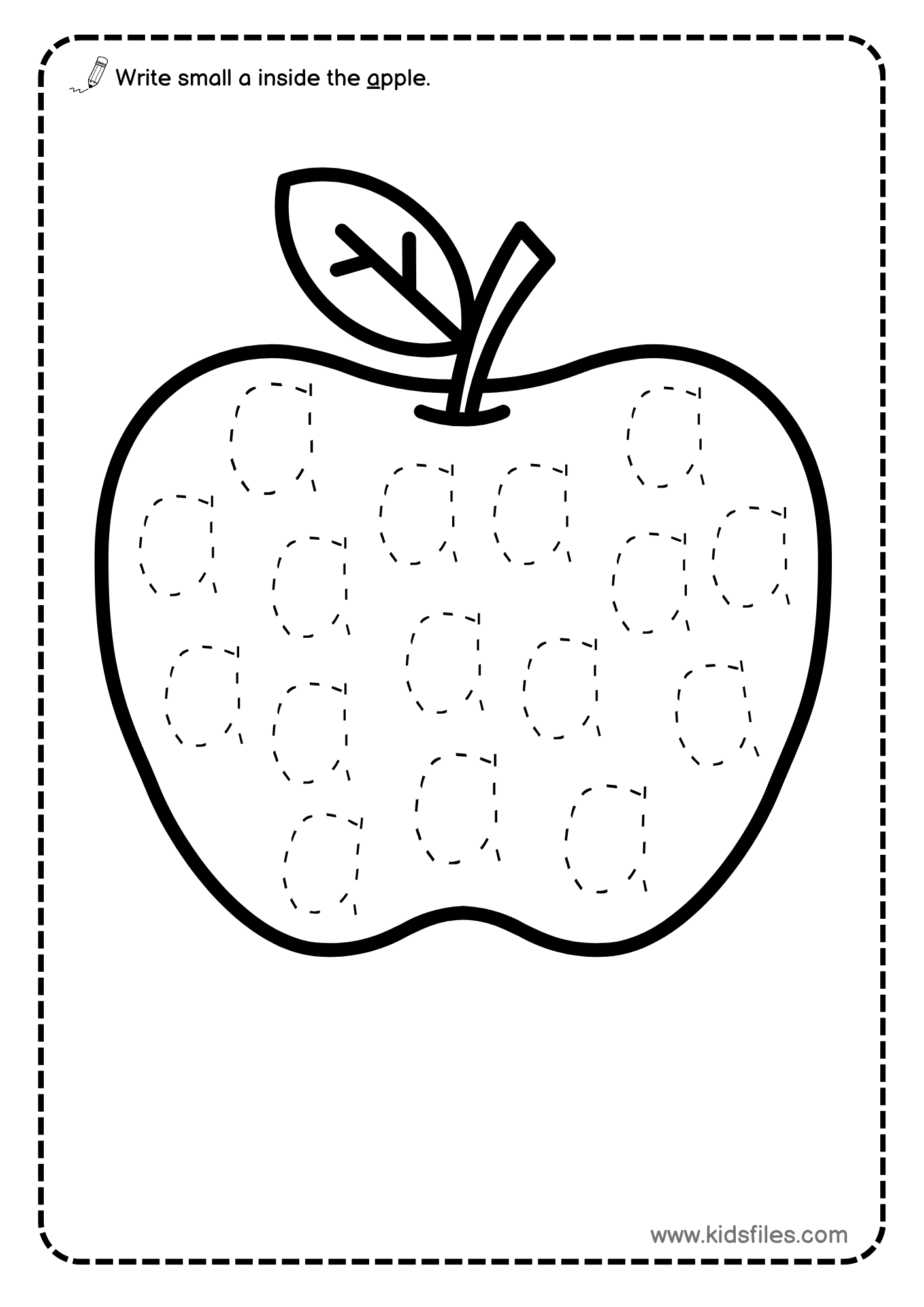
The short /a/ tracing worksheets help children practice writing the letter A. Children trace lowercase and uppercase A while saying the sound. This links writing with sound awareness.
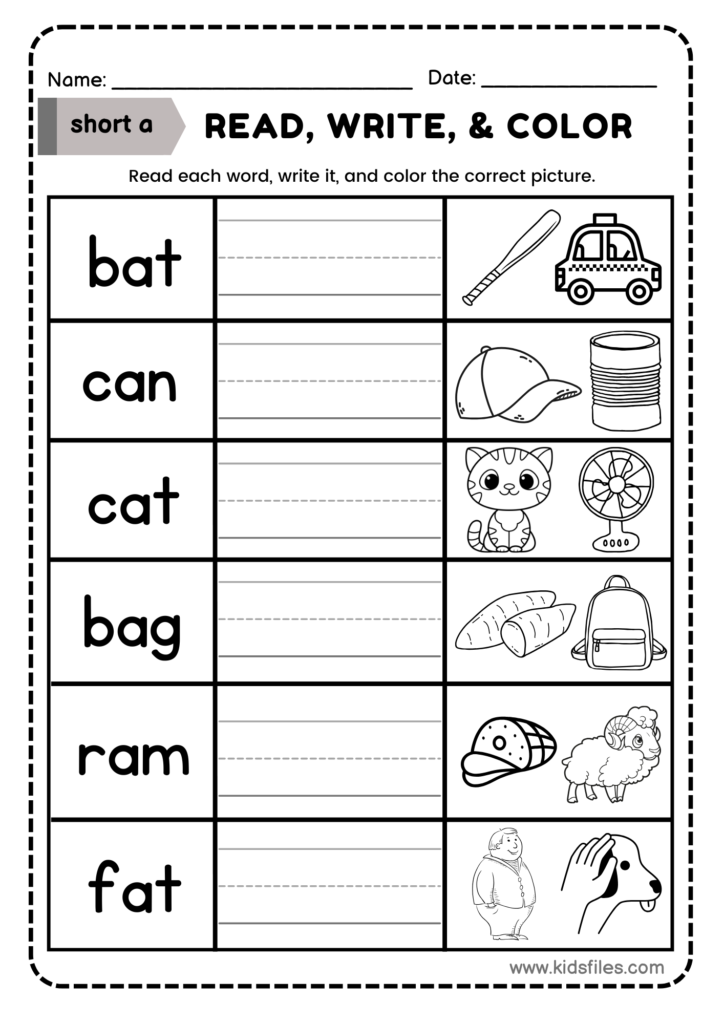
The read, write, and color worksheets combine reading and writing practice. Children read the word, write it on the line, and color the matching picture. This builds reading confidence step by step.
The CVC Words Matching Worksheet helps children practice the short /a/ sound by matching words to pictures. Each word uses a simple CVC pattern such as cat, bag, and ram. Children look at the word, say the sound, and connect it to the correct picture. This activity strengthens sound recognition and word meaning at the same time.
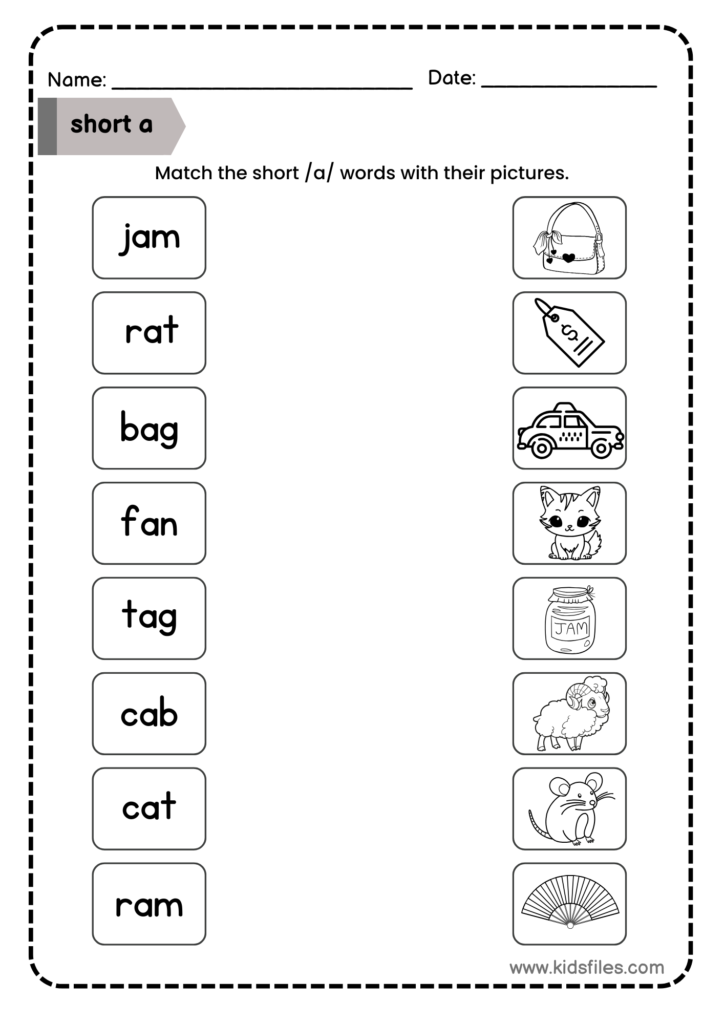
The clear layout makes it easy for young learners to focus. There are no extra distractions, so children can work independently or with light guidance. This worksheet works well for phonics review, small group activities, or quiet practice at home. Each worksheet uses clean lines and clear spacing. This makes it easier for young learners to focus. The designs are simple so children can work without feeling overwhelmed. All worksheets are print-friendly and ink-friendly. You can print them for home use, classroom lessons, or extra practice folders.
Watch and Practice the Short /a/ Sound
Videos can make phonics practice more engaging and effective for young learners. In addition to using the worksheets on this page, children can strengthen their listening, pronunciation, and reading skills by watching the short /a/ video lessons below.
Start with the Short /a/ Vowel Sound video to introduce the target sound. Encourage learners to listen carefully and repeat each word aloud. Repetition helps children become familiar with the sound and improves pronunciation. You can pause the video when needed and allow students to practice saying the words several times.
As children become more comfortable with the short /a/ sound, continue with the CVC reading video. This helps learners blend sounds together to read simple words such as cat, bat, hat, bag, and jam. Reading practice is an important step in developing early decoding skills and reading fluency.
For additional practice, explore the reading playlist to reinforce phonics skills through repeated exposure. Regular practice helps children build confidence and recognize word patterns more quickly.
Teaching Tips for Using the Videos
- Watch the short /a/ video before completing the worksheets.
- Pause the video and have children repeat the words aloud.
- Point to pictures or flashcards while students listen.
- Practice reading the words together after watching.
- Use the worksheets as follow-up activities.
- Review the videos throughout the week for extra practice.
Short /a/ Vowel Sound Video
Short /a/ CVC Reading Practice
Practice Reading Sentences
Reading Practice Playlist
Continue learning with more short vowel resources
Teaching phonics becomes easier when children have different ways to practice. Along with these free worksheets, you can also use lesson plans, games, and printable, activities to make learning more enjoyable.
Need a simple way to teach short vowels? Follow my step-by-step ESL lesson plan guide designed for parents, teachers, tutors, and homeschool families.
Learning through play helps children remember sounds and words. Explore fun phonics games and hands-on activities that can be used at home or in the classroom.
🗂️ Download more short vowel worksheets
Looking for more practice pages? Browse the complete collection of short vowel worksheets for beginning readers. Each set include simple activities that support reading and phonics development.
Small daily practice can make a big difference. Keep learning, keep reading, and have fun with phonics. Happy teaching!