Learning to write takes time, patience, and steady practice. Young children need clear guides and repeated chances to trace and write letters. Writing should feel safe, simple, and doable. That is why I created these free alphabet handwriting practice worksheets. They are made to support children as they learn letter shapes step by step. Each page focuses on proper letter form without pressure or clutter.
When children first learn to write, they are not just learning letters. They are building hand strength, focus, and control. Holding a pencil feels new to many kids. Tracing lines helps train their hands slowly. These worksheets allow children to practice at their own pace. There is no rush and no need to finish everything at once.
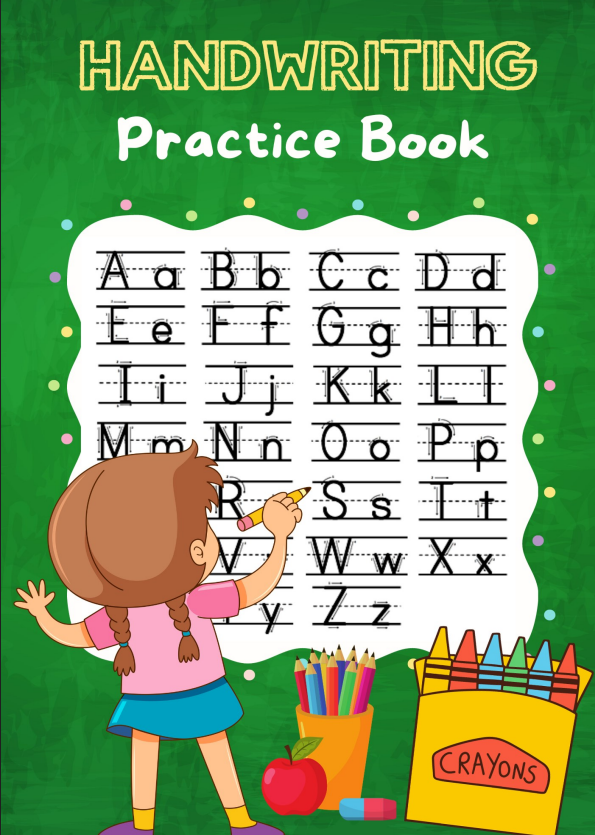
Each worksheet includes both uppercase and lowercase letters. This helps children see how letters are connected. They learn that A and a belong together. They see how shapes change but sounds stay the same. This builds strong letter awareness early. It also helps prevent confusion later when reading and writing words.
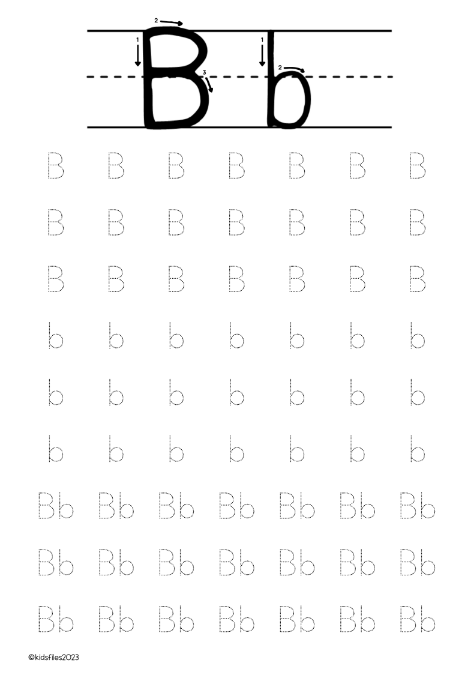
Clear letter guides matter a lot. Messy examples can confuse young learners. These worksheets use clean, bold letters with proper spacing. Children can follow each line easily. The strokes are clear and simple. This helps kids form letters the right way from the start.
Many children feel nervous about writing. They worry about mistakes. These worksheets remove that fear. Tracing gives children a guide to follow. They gain confidence with each completed line. Over time, their hand control improves. Writing begins to feel familiar instead of scary.
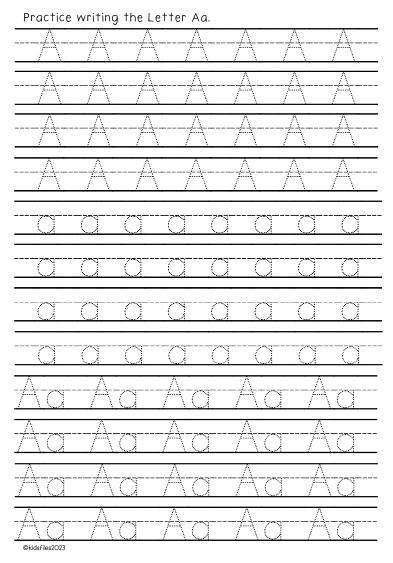
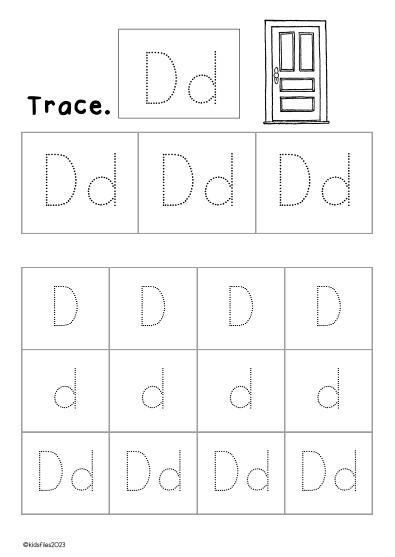
These handwriting practice worksheets work well at home and in classrooms. Parents can use them for daily writing time. Teachers can use them for centers or quiet work. Homeschool families can add them to lesson plans with ease. You can print them anytime you need extra practice. Writing practice does not need long sessions. Short, steady practice works best. Ten minutes a day can make a big difference. These worksheets are designed for short use. One page at a time is enough. Children stay focused without feeling tired.
Some children learn letters quickly. Others need more time. Both are normal. These worksheets allow children to repeat letters as often as needed. Repetition builds muscle memory. This helps letters feel natural when writing words later.
The worksheets support fine motor skill growth. Tracing helps strengthen small hand muscles. These muscles are needed for writing, cutting, and coloring. Strong hands make writing easier over time. This leads to better control and neater writing.
These worksheets are simple on purpose. There are no extra pictures or distractions on the writing lines. Children can focus on the task. This helps them stay calm and engaged. Less clutter means better focus for young learners. Letter order matters. These worksheets follow a clear alphabet order. This helps children recognize letter sequence. It also supports alphabet songs and phonics lessons. Learning letters in order helps children feel more confident.
Parents often ask when to start handwriting practice. The answer depends on the child. Some children show interest early. Others need more time. These worksheets can be used when children show readiness. There is no strict age rule.
Handwriting practice supports reading skills. When children write letters, they remember them better. Writing reinforces letter shapes and sounds. This makes reading easier later. Strong letter knowledge supports early literacy growth. Children learn best when practice feels manageable. These worksheets keep writing tasks simple. One letter at a time reduces stress. Children can focus on doing their best without feeling overwhelmed. Mistakes are part of learning. Tracing helps reduce errors while learning new letters. Children can correct their grip and strokes with guidance. Over time, they become more independent writers.
These worksheets are printer friendly. You can print as many copies as you need. This is helpful for families with multiple children. Teachers can prepare stacks for classrooms. You never have to worry about running out. Some children prefer using pencils. Others like crayons or markers. These worksheets work with different tools. Using different writing tools can make practice more fun. It also helps strengthen grip control. Writing letters helps children slow down and focus. It supports attention skills. Quiet writing time can feel calming. Many children enjoy the routine once they get used to it.
These handwriting worksheets can be paired with phonics lessons. Say the letter sound while tracing. This connects writing with sound awareness. It helps children remember letters faster. Children learn through repetition and routine. Using these worksheets regularly builds consistency. Writing becomes a normal part of learning. This helps children feel more confident over time. Some children struggle with letter reversals. Clear letter guides help reduce confusion. Tracing correct shapes builds strong visual memory. This supports correct letter formation later.
These worksheets support early school readiness. Writing skills are important for classroom tasks. Children who practice early feel more prepared. This can reduce stress during school transitions. Parents do not need special training to use these worksheets. Simply sit with your child and encourage effort. Praise progress instead of perfection. Positive support makes learning more enjoyable.
These worksheets are flexible. You can use them in the morning or afternoon. They work well during quiet time. You can use them before reading or after play.
Writing practice helps children express ideas later. Strong handwriting skills support sentence writing. Children who write well feel more confident sharing thoughts. Each worksheet focuses on learning, not rushing. Children can stop when tired. They can return later without pressure. This builds a healthy learning attitude.
These handwriting practice worksheets were created with real learners in mind. They are tested through classroom and homeschool use. They are simple because simple works best for young children. If your child feels frustrated with writing, start slow. One letter is enough. Celebrate small wins. Confidence grows with patience and practice. Writing skills take time to develop. These worksheets support that journey gently. They meet children where they are. They allow growth without pressure. Every child learns differently. These worksheets respect that. They offer structure while allowing flexibility. This balance supports steady progress.
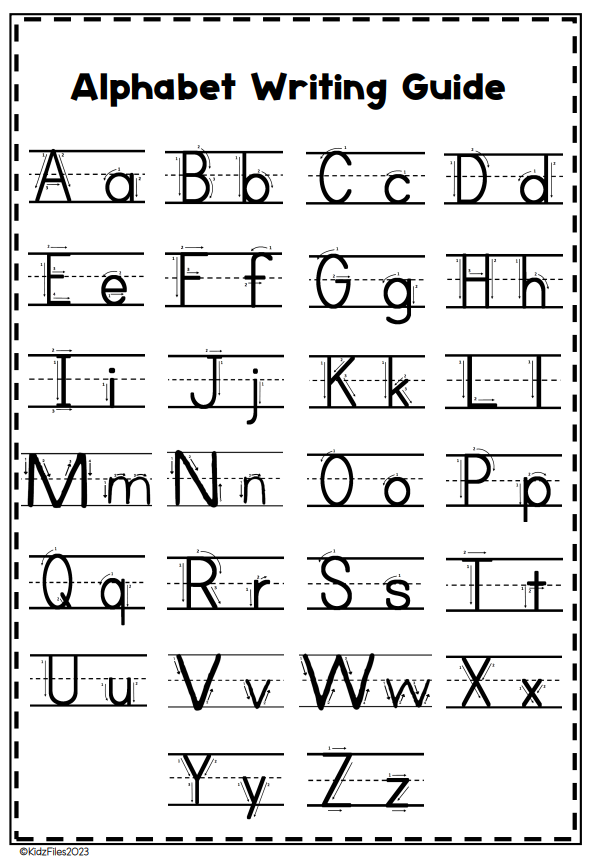
You can use these worksheets as part of daily learning routines. They work well with reading, phonics, and play activities. Writing fits naturally into learning. Strong handwriting builds a strong foundation. These worksheets support that foundation step by step. Children gain skills they will use for years.
Download the worksheets and start practicing today. Print one page and sit with your child. Keep it light and positive. Writing should feel safe and encouraging.
Learning to write is a journey. These worksheets are here to support that journey. One letter at a time. One page at a time. One confident writer growing every day.