Helping children hear and understand sounds takes time, patience, and the right activities. Auditory discrimination is an early skill that supports listening, speech, reading, and classroom focus. When children learn to notice sound differences, they also learn to follow directions better. They begin to connect sounds with meaning in daily life.
These auditory discrimination worksheets are made for young learners who need simple, clear practice. Each activity focuses on everyday sounds children already know. This makes learning feel natural instead of stressful. You do not need special tools or training to use these pages. You only need a quiet space, basic supplies, and a few minutes of focused time.
Whether you teach at home or in a classroom, these worksheets fit easily into your routine. They support learning without pressure. Children can work at their own pace while building strong listening habits.
How to Use the Auditory Discrimination Worksheets
These worksheets are flexible and easy to use in many learning settings. You can use them with one child or a small group.
- Start by choosing a quiet area. Reduce background noise as much as possible. This helps children focus on the task.
- Explain the goal before starting. Use simple words. Tell your child they will look at pictures and decide which ones make sounds.
- Read the instructions out loud. Some children understand better when they hear directions instead of reading them.
- Let your child look at all the pictures first. Talk about what they see. Ask them if they know the sounds each object makes.
- Have your child color, circle, or mark the pictures that produce sound. Let them take their time.
- Encourage your child to say the sound out loud if they can. This builds sound awareness and confidence.
- You can repeat the activity on another day. Repetition helps strengthen listening skills without feeling like extra work.
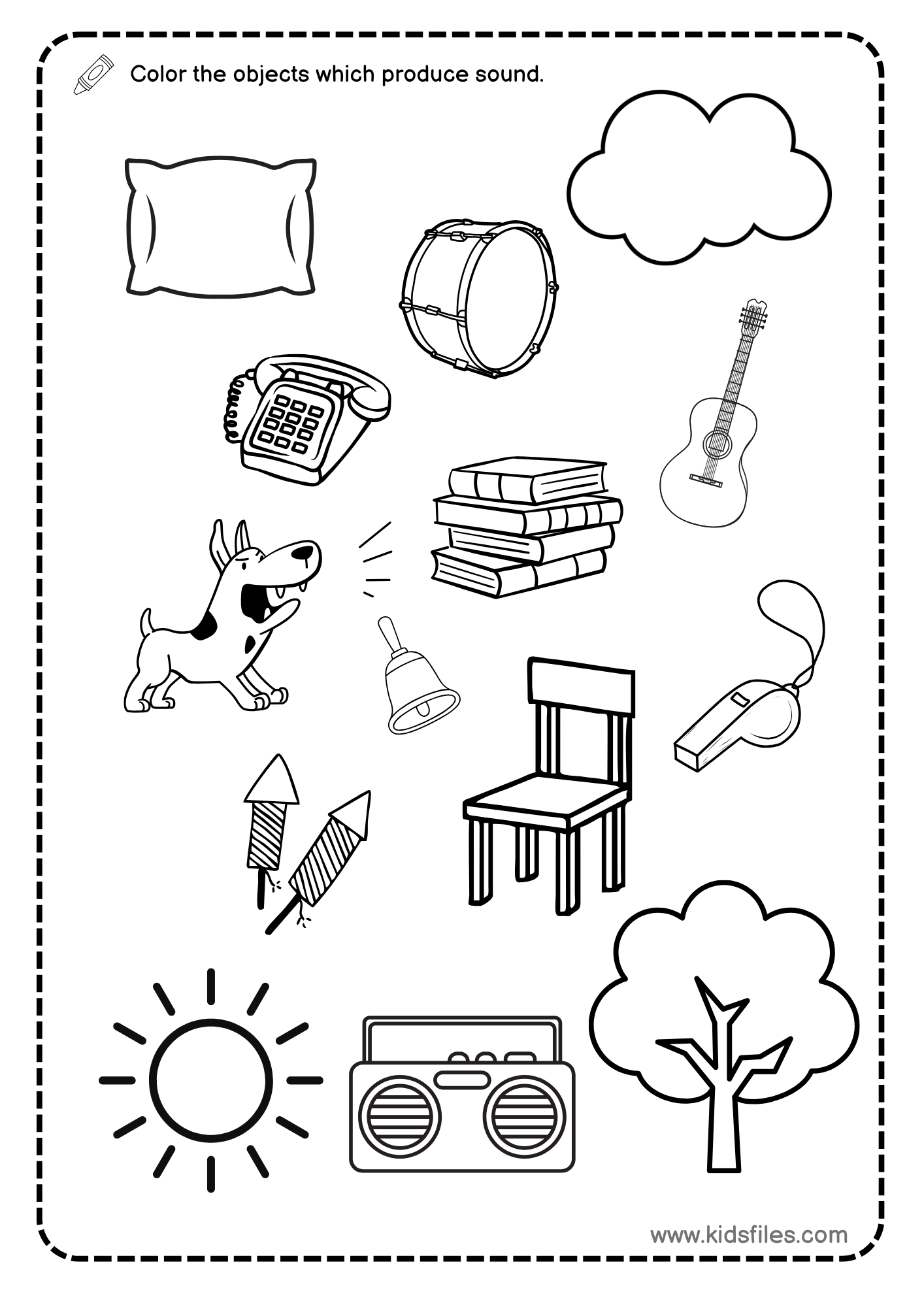
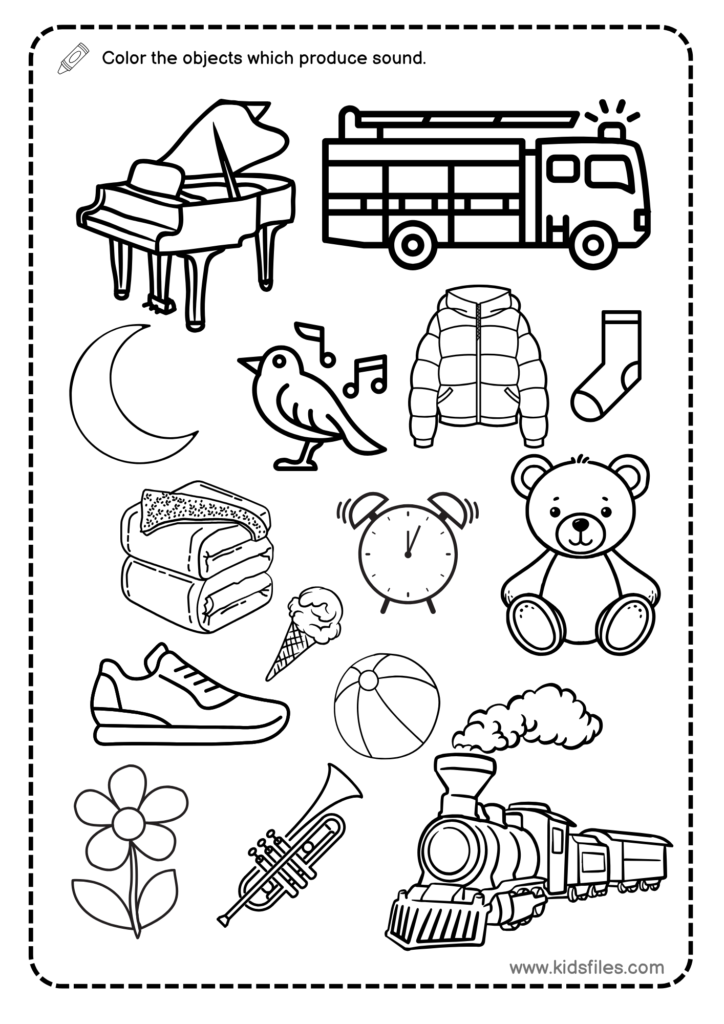
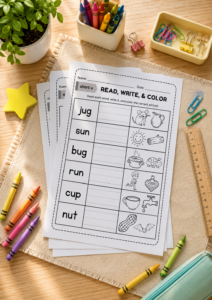
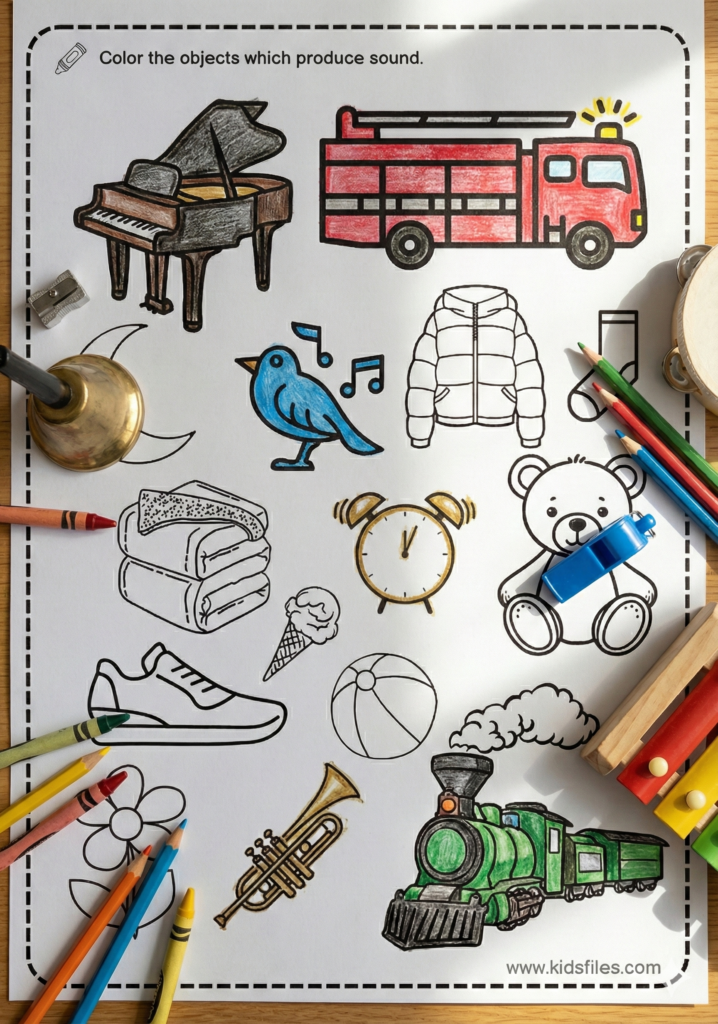
These auditory discrimination worksheets use simple black and white images that are easy to print. The pictures show familiar objects children see every day. This helps them focus on listening instead of guessing.
Some pictures show items that make sound, like instruments, animals, or vehicles. Other pictures show objects that do not produce sound. Children decide which ones belong in each group.
The worksheets are designed with clear spacing. This makes them suitable for young learners who are still developing fine motor skills.
Each page can be used in different ways. Children can color the sound-producing objects. They can circle them. They can even cut and sort pictures if you want a hands-on activity.
Because the worksheets are simple, they work well for preschool, kindergarten, and early elementary levels. They are also helpful for children who need extra support with listening skills.
Teaching Tips for Auditory Discrimination
Auditory discrimination develops best through daily practice. You do not need long lessons. Short and focused activities work better.
Talk about sounds during normal routines. Ask your child what they hear while eating, playing, or walking outside.
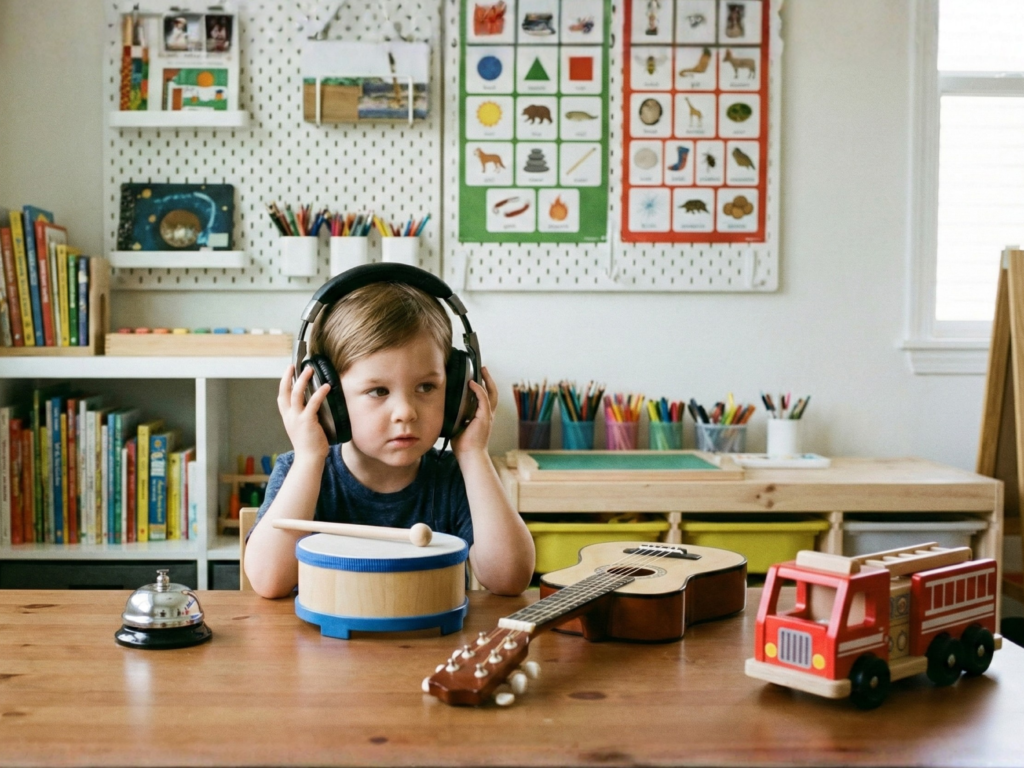
Use real objects when possible. Let your child shake a bell or tap a table. Then connect that sound to the worksheet image.
Model listening behavior. Pause and listen with your child. Show them that listening is important.
Give clear praise. Instead of saying “good job,” say “you listened carefully to that sound.”
Avoid rushing the activity. Some children need more time to process what they hear.
Repeat activities on different days. Familiar tasks help children feel confident and relaxed.
If your child feels tired, stop and try again later. Listening skills improve best when children feel calm.
You can also pair these worksheets with simple sound games. Clapping, tapping, or identifying sounds around the room supports the same skill.
If you are looking for simple ways to support listening skills, these auditory discrimination worksheets are a helpful place to start. They are easy to use, quick to prepare, and gentle for young learners.
You can print them for home lessons, classroom centers, or extra practice. They fit well into daily routines without adding pressure.
Feel free to explore more worksheets on Kids Files. Each resource is created to support real learning with clear goals and simple steps. Choose the pages that match your child’s needs and enjoy learning together, one file at a time.