Learning vowel sounds is one of the first big steps in reading. Short vowel sounds appear in many early words, and children need steady practice to recognize them. The short /e/ sound can be tricky at first because it sounds similar to short /i/ for some learners. That is why clear examples and simple practice matter. These short /e/ worksheets were made to help young readers slow down, listen, and connect sounds with letters. Each page focuses on one skill at a time.
Children read short /e/ words, write them, match them to pictures, and trace the letter /e/. This set is part of a full short vowel series. If your child or student already practiced short /a/, short /i/, short /o/, or short /u/, this set fits right in. All worksheets were designed for early learners who need structure, repetition, and clear visuals without distractions.
What is the short /e/ sound?
The short /e/ sound is one of the five short vowel sounds that children learn in early reading. It makes the sound heard in words like bed, pen, jet, net, hen, and ten. When we say these words, the vowel sound is short and clear, like the sound in the middle of the word bed. Learning the short /e/ sound helps children connect letters with sounds, which is an important step in learning to read.
Many common words use the short /e/ sound. Children often see these words in books, stories, and daily conversations. Simple words such as pet, wet, red, leg, and web help young learners practice hearing and reading the sound correctly. As children become familiar with these words, they begin to recognize patterns and read with more confidence.
Learning the short /e/ sound is important in early reading because children need to hear the difference between vowel sounds. Some learners may confuse short /e/ with short /i/, especially in words like bed and bid. Regular practice helps children listen carefully and understand that changing one sound can change the whole word. This skill, called phonemic awareness, supports reading and spelling development.
Short /e/ activities are best for preschool, kindergarten, and Grade 1 learners, usually between the ages of 4 and 7. These early years are the right time to build strong reading foundations. Through simple activities such as tracing, matching pictures, reading words, and coloring, children can learn the short /e/ sound in a fun and stress-free way. With regular practice, they become more confident and ready to read longer words and simple sentences.
Why is the short /e/ sound important?
Learning short vowel sounds is an important part of becoming a successful reader, and the short /e/ sound plays a big role in early phonics lessons. As children learn words like bed, pen, hen, net, and jet, they begin to understand how sounds and letters work together. Short /e/ worksheets provide meaningful practice that helps young learners strengthen important literacy skills. These activities support phonemic awareness, letter-sound recognition, CVC reading skills, vocabulary growth, and reading confidence.
Phonemic Awareness
Phonemic awareness is the ability to hear and recognize the sounds within words. Before children can read, they need to understand that spoken words are made up of individual sounds. Short /e/ activities help learners listen for the /e/ sound in words such as bed, red, pen, and ten. Through repeated practice, children become better at identifying sounds, which helps them decode unfamiliar words more easily.
Letter-Sound Recognition
Children also need to learn that letters represent sounds. By working with short /e/ words, they begin to understand that the letter e makes the /e/ sound found in many everyday words. Activities such as tracing, matching pictures, reading words, and writing letters strengthen this connection. Repeated exposure helps children understand how printed letters relate to spoken language.
CVC Reading Skills
Many beginning readers are introduced to consonant-vowel-consonant (CVC) words because they follow simple patterns. Words such as bed, jet, pen, and hen are easy to sound out and blend together. Short /e/ worksheets provide opportunities for children to practice reading these words independently. This helps them move from recognizing letters to reading complete words with confidence.
Vocabulary Development
Short /e/ activities also help children learn new words and understand their meanings. Picture supported worksheets allow learners to connect words with real objects and ideas. This is especially helpful for English language learners who are developing both reading skills and vocabulary. As children encounter more words, they build a stronger language foundation.
Reading Confidence
One of the biggest benefits of practicing the short /e/ sound is the confidence children gain. Every successful reading experience helps learners feel proud of their progress. As they recognize familiar words and complete activities independently, they become more motivated to continue learning. Confidence encourages children to participate in reading activities and explore new words without fear.
Strong reading habits begin with a solid phonics foundation. Regular practice with the short /e/ sound gives children the skills they need to become successful readers. These worksheets offer a simple and enjoyable way to support early learners as they continue building their reading journey.
Fun ways to teach the short /e/ sound
Teaching the short /e/ sound can be simple and enjoyable. Young children learn best when they have many opportunities to hear, say, read, and use words in different ways. Short activities and repeated practice help children remember sounds and become more confident readers. Here are some fun ways to practice the short /e/ sound at home or in the classroom.
Use Flashcards and Picture Cards
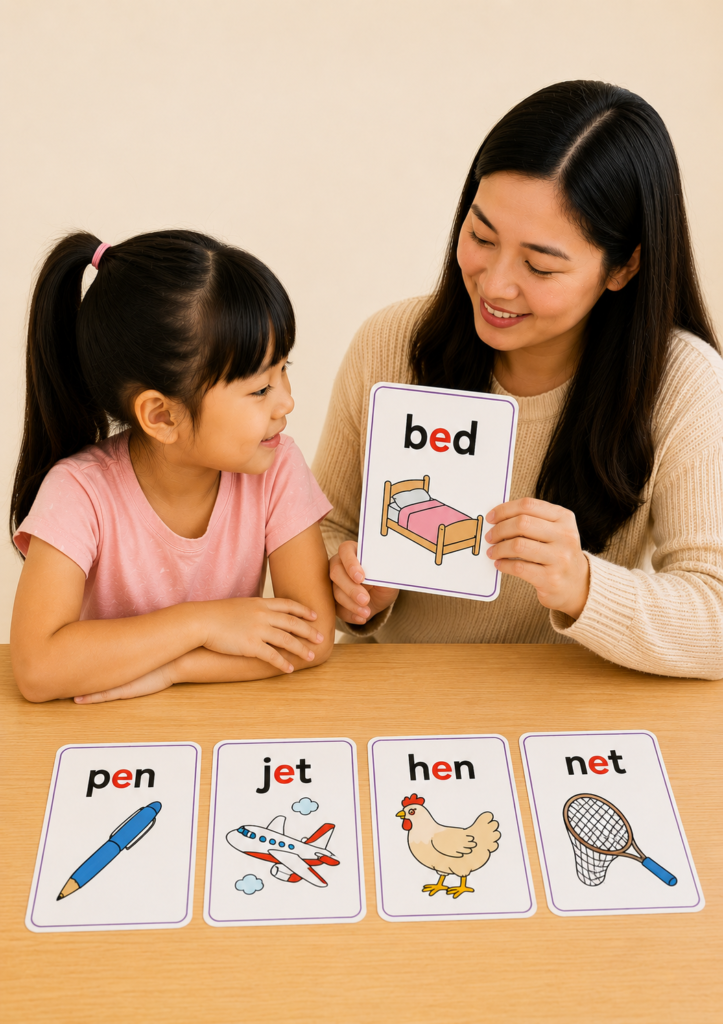
Flashcards are a simple way to introduce short /e/ words. Show words and pictures such as bed, pen, hen, jet, and net. Say each word slowly and encourage children to repeat after you. Picture cards help children connect spoken words with pictures and improve word recognition.
Play Matching Games
Matching games make learning more exciting. Children can match short /e/ words to their pictures or find pairs of cards with the same sound. These games strengthen memory and help children recognize words more quickly.
Try Read and Color Activities
Read and color worksheets give children a chance to practice reading while being creative. After reading a word, children color the matching picture. This activity supports vocabulary development, reading comprehension, and fine motor skills.
Sing Songs and Nursery Rhymes
Songs and rhymes are great tools for teaching phonics. Repeating short /e/ words through music helps children hear sound patterns and improve pronunciation. Phonics songs and videos also provide extra practice in a fun way.
Read Simple Books Together
Reading books together is another effective way to reinforce the short /e/ sound. Choose easy books that contain words like bed, red, hen, and pen. Pause during reading and point out familiar words. Shared reading helps children improve listening skills and build reading confidence.
Use Hands-On Activities
Hands-on activities keep children interested and actively involved in learning. Use magnetic letters, alphabet tiles, picture cards, or printable worksheets to build and read short /e/ words. Children often learn better when they can touch, move, and interact with learning materials.
Daily practice and positive encouragement can help children master the short /e/ sound. Small activities done regularly can strengthen phonics skills and support future reading success.
How to use these short /e/ worksheets
These worksheets work best when used in short, focused sessions. You do not need to finish everything in one day. One page at a time is enough.
Start by saying the short /e/ sound out loud. Keep it short and clear. Say “/e/” like in “bed.” Ask the child to repeat it a few times. Do not rush this step.
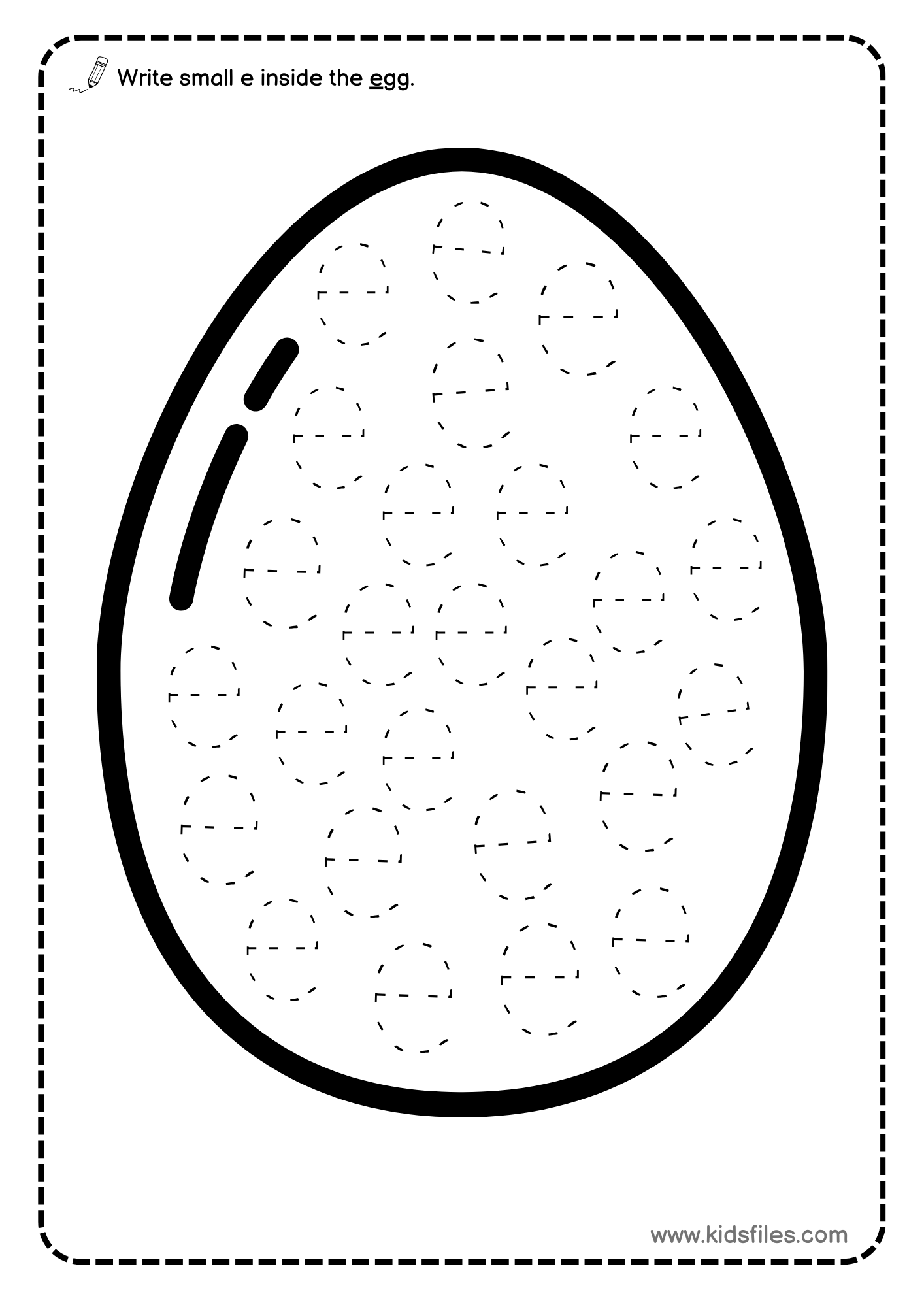
Move to the write the small /e/ worksheet first. This page helps with letter formation. The repeated tracing inside the egg shape keeps practice fun but controlled. Encourage neat writing, but do not demand perfection. Correct grip and steady movement matter more.
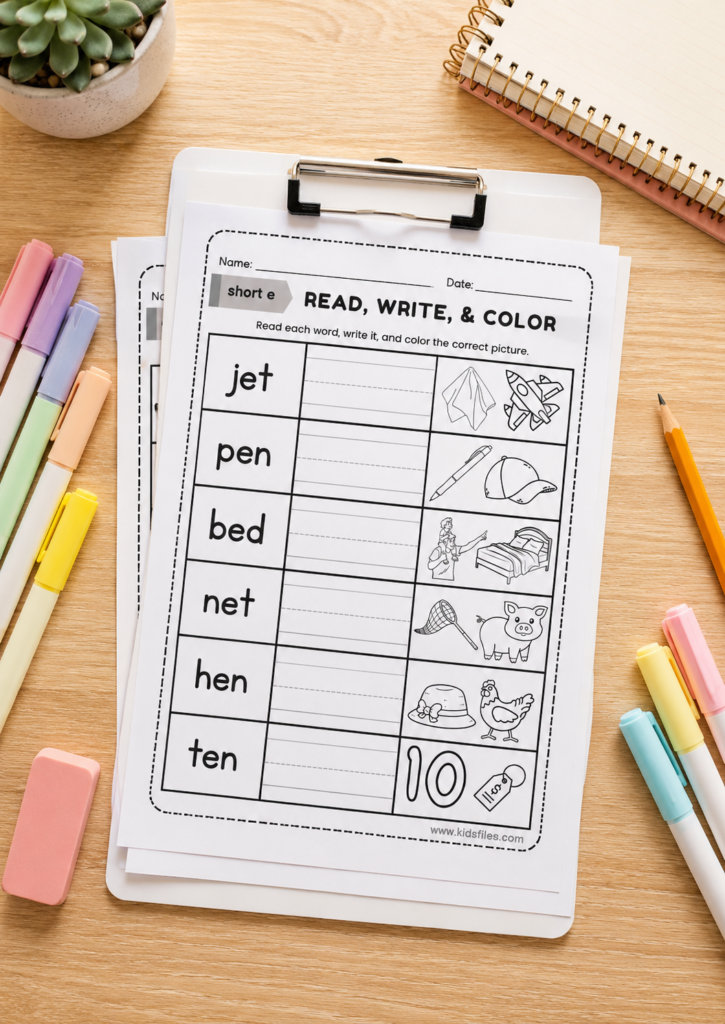
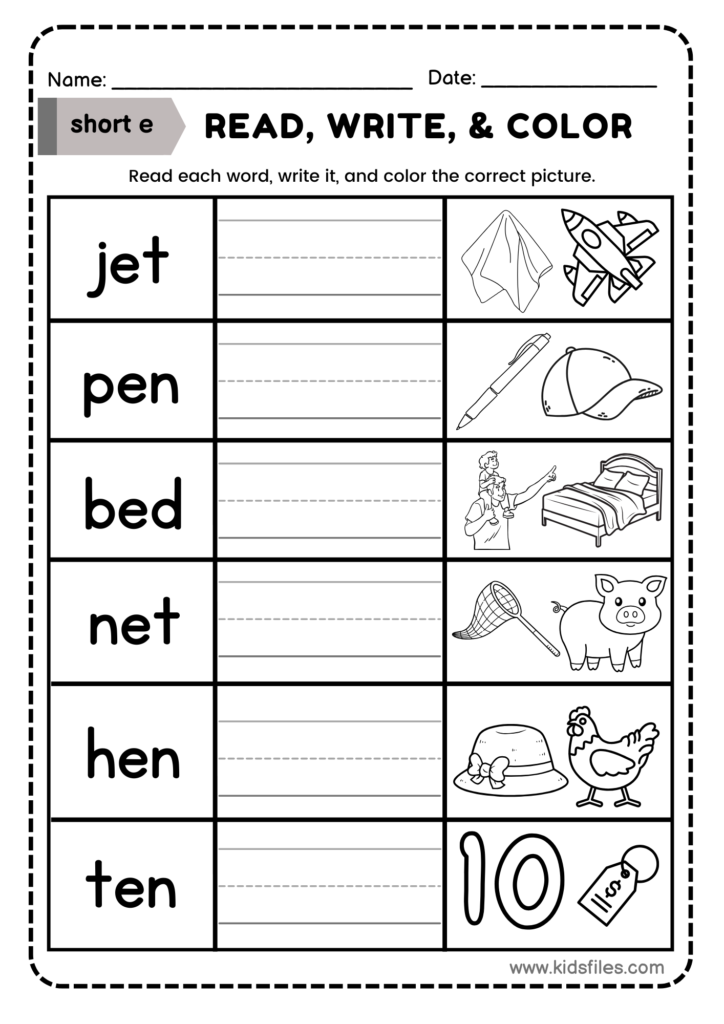
Use the Read, Write, and Color worksheet next. Read each word together. Point to the letters as you say the sounds. Blend the word slowly. Let the child trace or write the word on the line. After writing, ask them to look at the pictures. They color only the picture that matches the word. This builds word meaning, not just decoding.
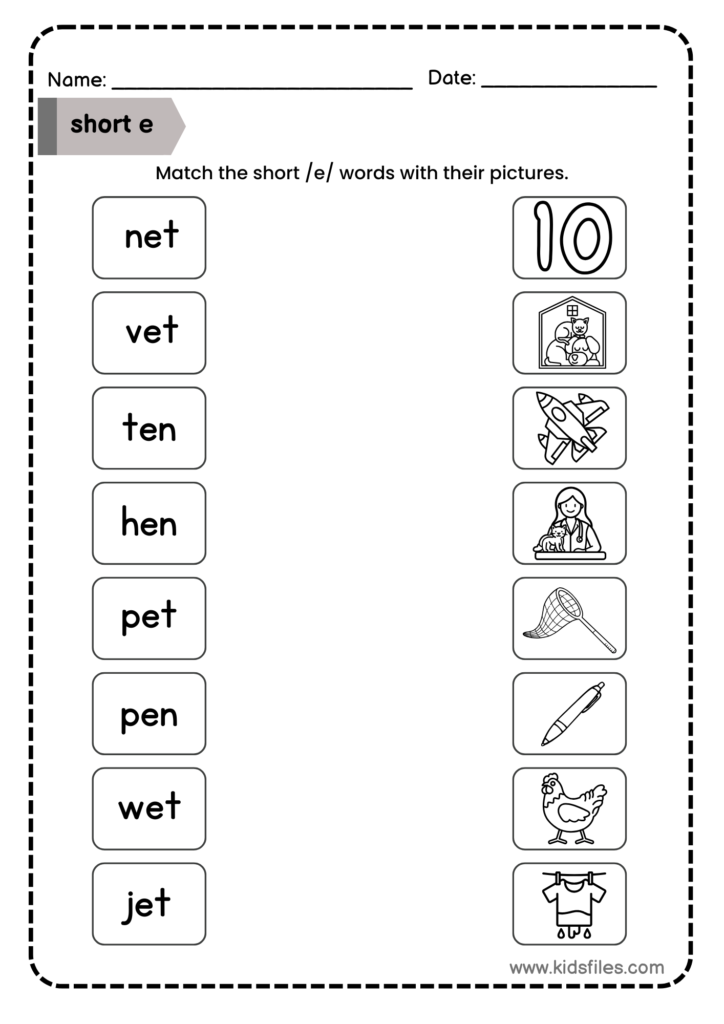
Finish with the short /e/ matching worksheet. Read each word on the left. Look at the pictures on the right. Ask the child to draw a line to match them. Say the word again after matching. Repetition helps memory.
If needed, repeat the same worksheet on another day. Familiar pages build confidence.
This short /e/ worksheets set includes several focused activities. Each page supports early reading in a simple and clear way.
The Write Small e worksheet focuses only on lowercase letter practice. Children trace and write the letter e many times in one space. This improves muscle memory and letter control. The egg shape adds interest without distraction.
The Read, Write, and Color Short E worksheet helps children connect printed words to meaning. Words like jet, pen, bed, net, hen, and ten are short, common, and easy to decode. Writing the word reinforces spelling. Coloring the correct picture confirms understanding.
The Match the Short /e/ Words worksheet strengthens word recognition. Children match words such as net, vet, ten, hen, pet, pen, wet, and jet to clear pictures. This activity checks if the child understands the word, not just the sound.
All worksheets use simple black-and-white images. This keeps printing easy and allows children to color freely.
Watch and Practice the Short /e/ Sound
Videos can make phonics practice more engaging and effective for young learners. In addition to using the worksheets on this page, children can strengthen their listening, pronunciation, and reading skills by watching the short /e/ video lessons below.
Start with the Short Vowel Sound video to introduce the target sound. Encourage learners to listen carefully and repeat each word aloud. Repetition helps children become familiar with the sound and improves pronunciation. You can pause the video when needed and allow students to practice saying the words several times.
As children become more comfortable with the short /e/ sound, continue with the CVC reading video. Reading practice is an important step in developing early decoding skills and reading fluency.
For additional practice, explore the reading playlist to reinforce phonics skills through repeated exposure. Regular practice helps children build confidence and recognize word patterns more quickly.
Teaching Tips for Using the Videos
- Watch the short /e/ video before completing the worksheets.
- Pause the video and have children repeat the words aloud.
- Point to pictures or flashcards while students listen.
- Practice reading the words together after watching.
- Use the worksheets as follow-up activities.
- Review the videos throughout the week for extra practice.
Short /e/ Vowel Sound Video
Practice Reading Sentences
Reading Practice Playlist
Continue learning with more short vowel resources
Teaching phonics becomes easier when children have different ways to practice. Along with these free worksheets, you can also use lesson plans, games, and printable, activities to make learning more enjoyable.
Need a simple way to teach short vowels? Follow my step-by-step ESL lesson plan guide designed for parents, teachers, tutors, and homeschool families.
Learning through play helps children remember sounds and words. Explore fun phonics games and hands-on activities that can be used at home or in the classroom.
🗂️ Download more short vowel worksheets
Looking for more practice pages? Browse the complete collection of short vowel worksheets for beginning readers. Each set include simple activities that support reading and phonics development.
Small daily practice can make a big difference. Keep learning, keep reading, and have fun with phonics. Happy teaching!