
When you work with young learners, whether you’re a teacher, a homeschooler, or a parent, you understand the joy and the challenge of guiding children through their earliest writing experiences. And if you’re anything like me, you’ve probably searching through countless websites trying to find handwriting worksheets that are easy to use and ready to print. That’s exactly why we created Kids Files.
Our mission is simple, learning one file at a time 🗂️.
This handwriting resource page reflects that mission. Everything here, from the stroke guides to alphabet charts to free lined-paper, begins with the same belief that children learn best when given clean, purposeful tools designed with their real developmental needs in mind.
As a teacher and a mom who has taught ages 3–6, I created these materials using my own teaching experience, classroom observations, and years of guiding children who are just beginning to write. This file is more than a collection of worksheets, it’s a roadmap for helping young learners build confidence, control, and joy in writing.
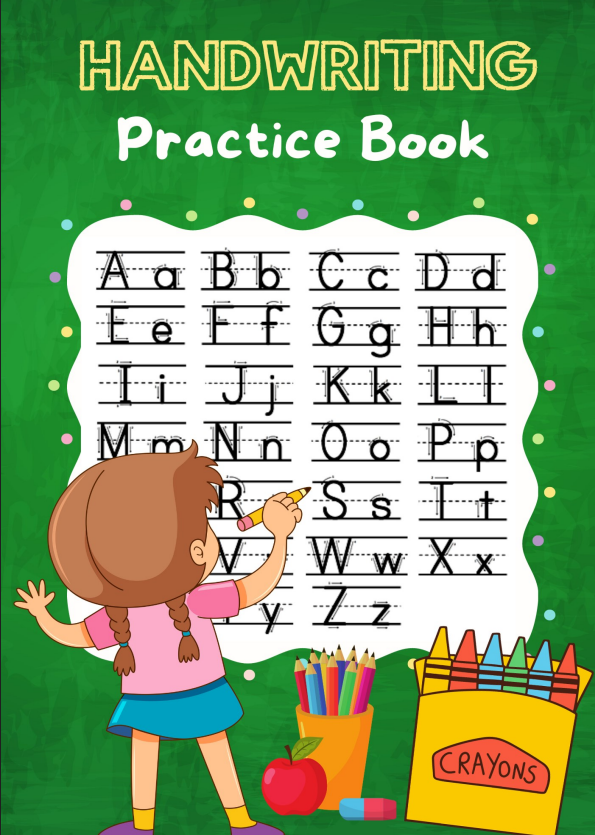
Why Handwriting Practice Matters for Ages 3–6
Children between the ages of three and six are in a crucial stage of developing:
- fine motor skills
- pencil control
- letter recognition
- early phonics awareness
- coordination and visual-spatial understanding
And the truth is simple, when children learn to form letters correctly from the beginning, everything else in literacy becomes easier, writing the sentences, spelling unfamiliar words, and even reading fluency.
Poor handwriting habits formed early often follow children for years.
This is why I focus heavily on:
✔ teaching letter formation properly
✔ providing consistent visuals
✔ offering the right kind of lined paper
✔ modeling strokes clearly
✔ giving children achievable practice
These are the foundations you’ll find throughout the handwriting materials on Kids Files.
Handwriting Stroke Guides: The First Step in Writing
Before a child writes the letter A, before they learn to write their name, before they even recognize every sound, they must master strokes.
Because every letter in the alphabet is built from shapes like:
- straight lines
- curves
- circles
- zigzags
- diagonals
- loops
My stroke guides are designed from my personal teaching experience to help children understand the building blocks of handwriting. They are simple, clean, and intentional, showing each stroke clearly without distractions.
How I Use Stroke Guides in Teaching
Here’s what works beautifully with ages 3–6:
✨ Big to small practice
Start with large motions: air writing, tracing in sensory trays, or drawing strokes on a whiteboard. Once they build confidence, transition to the worksheet.
✨ Slow and steady tracing
Many children rush. I always tell my learners, “Slow is smooth, and smooth is neat.”
✨ One stroke at a time
No need to overwhelm them. Focus on mastery of one motion before combining strokes for letters.
✨ Daily warm-ups
Two minutes of stroke practice each day strengthens fine motor skills more effectively than long but inconsistent sessions.
When children learn these strokes early, letter formation becomes smoother and far less frustrating.
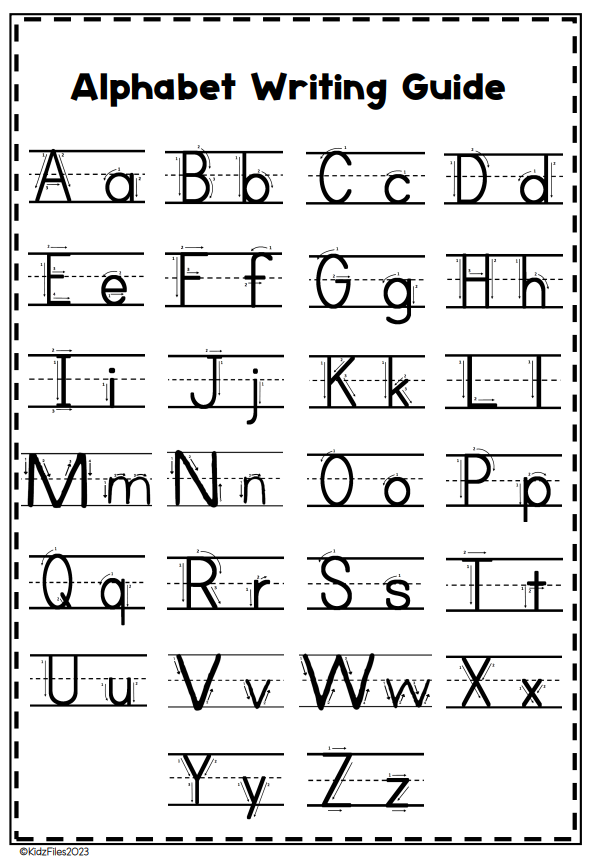
Alphabet Letters Handwriting Chart
Letter formation is one of the areas where my learners usually struggle the most. Many children naturally form letters from the bottom, draw circles backwards, or lift their pencil too often.
That’s why a clear Alphabet Handwriting Chart is essential.
Using my alphabet stroke guide as the foundation, this chart shows:
- uppercase and lowercase letters
- the correct direction of movement
- consistent stroke order
- proper alignment
This chart is perfect for:
- desk reference
- writing folders
- wall posters
- homeschool binders
- morning writing routines
When children see the same formation repeatedly, they begin to internalize the pattern.
Stroke Guide Videos on the Kids Files YouTube Channel
Not all young learners understand direction the chart. Many need to see how the motion flows. That’s why Kids Files includes stroke and letter formation videos, designed to match the worksheets you’ll find on this page.
You can use them:
- in the classroom during handwriting time
- at home for guided practice
- before worksheet activities
- as part of literacy centers
- for targeted intervention for children struggling with formation
Videos give learners clarity and confidence. When children can watch a stroke being made, they’re more likely to replicate it correctly.
Free Handwriting Practice Lined Paper
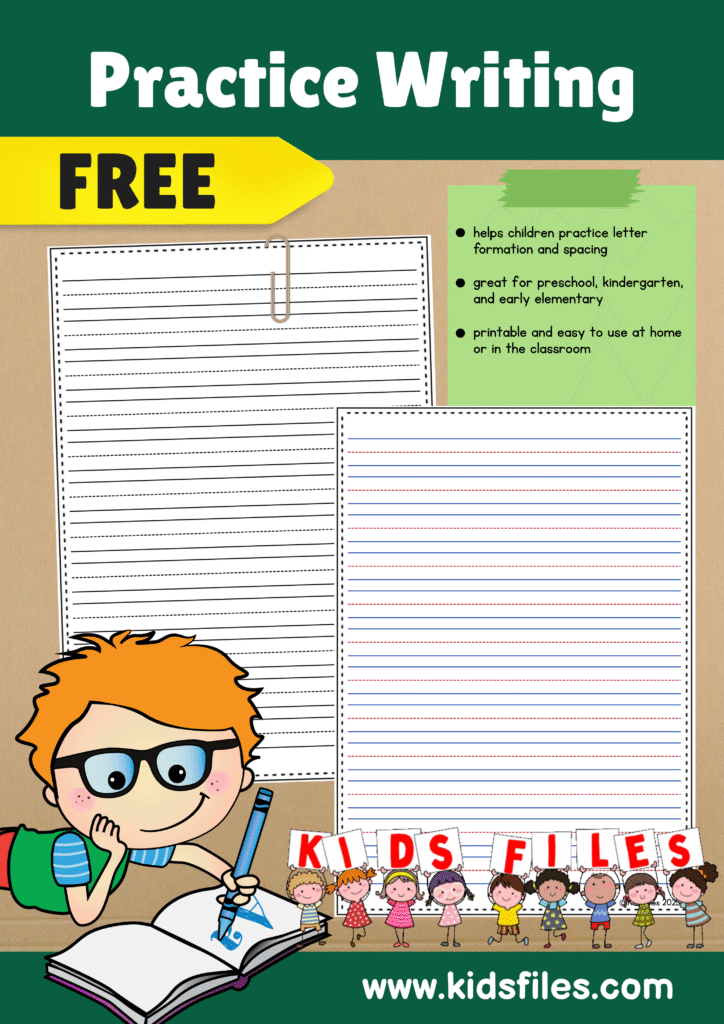
I mentioned earlier about the ready to print, easy to use pages, so I made handwriting lines that focus on what children truly need:
- clear baselines
- dotted midlines
- space appropriate for early writers
- beginner and intermediate versions
Whether you’re teaching a preschooler, kindergartner, or early first grader, this lined paper supports correct letter size and spacing.
Tips from My Own Teaching Practice
Here’s what helps the most:
⭐ “Sit your letters on the line.”
Many children float their letters, so practice helps anchor them.
⭐ Highlight the baseline.
A yellow marker makes the line easier to see.
⭐ Model your own writing at the top.
Kids always imitate your strokes.
⭐ Start with letters that use the same strokes.
Patterns reduce frustration for beginners.
With unlimited free printing on Kids Files, you’ll always have the lined paper you need on hand.
Handwriting practice can be tiring for little hands. Here’s what I’ve found works best to keep kids engaged:
- Short sessions: 5–7 minutes works better than long drills.
- Praise specific effort: “I love how straight your lines are!”
- Color-coded strokes: Let them switch colored pencils for each stroke.
- Incorporate play: Write letters in sand, rice, shaving cream, or playdough.
- Let them choose: Kids love picking their worksheet or pen color.
- Celebrate small wins: Even one beautifully formed letter is progress.
Motivation grows naturally when children feel successful.
One of my favorite moments as a teacher happened during handwriting time with a young learner who struggled to form letters specially the curves. She often became frustrated and avoided writing tasks altogether. After a week of using my stroke guides and watching the matching video demonstrations, she suddenly looked up during practice and said: “Teacher! The letter C is just a big curve! I can do that!” And she did. Her confidence soared from that point onward.
Stories like this remind me that sometimes all a child needs is the right tool presented in the right way, something simple, clear, and friendly. That’s exactly what I hope Kids Files provides.
Give your learners a strong start today.
Download our free handwriting worksheets, print the stroke guides, and explore our letter formation videos, everything you need to build confident young writers.
🗂️Access all free handwriting files now, and learn one file at a time!
Happy Teaching,
>>The Kids Files Team 🗂️💖